---
title: "Slot Drain Vs. Channel Drain: What’s The Difference?"
description: Selecting the optimal linear drainage system involves analyzing desired flow rates, weight requirements, and sanitary mandates. Read this!
image: https://blog.slotdrainsystems.com/hubfs/teapot%20effect-1.png
---
- TF [855.497.750](tel:8554977508)
- Email [info@slotdrainsystems.com](mailto:info@slotdrainsystems.com)
[](http://www.slotdrainsystems.com/)
- [PRODUCTS](https://www.slotdrainsystems.com/products)
- [2000 SERIES Sleek Elevator Multi-Slot Drain](https://www.slotdrainsystems.com/products/2000-series-multislot/)
- [2000 SERIES Sleek Elevator Threshold Drain](https://www.slotdrainsystems.com/products/2000-series/)
- [4000 SERIES Drains for Tight Spaces and Against Walls](https://www.slotdrainsystems.com/products/4000-series-slot-drain/)
- [6000 SERIES Drains For Shallow Depth Requirements](https://www.slotdrainsystems.com/products/6000-series/)
- [7000 SERIES The Best Drain For Landscaping](https://www.slotdrainsystems.com/products/7000-series/)
- [8000 SERIES Simple and Durable](https://www.slotdrainsystems.com/products/8000-series/)
- [10,000 SERIES Sanitary and Strong](https://www.slotdrainsystems.com/products/10000-series-slot-drain/)
- [Accessories](https://www.slotdrainsystems.com/product-category/accessories/)
- [All Products](https://www.slotdrainsystems.com/products/)
- [APPLICATIONS](https://www.slotdrainsystems.com/applications/)
- [AGRICULTURE + ANIMAL](https://www.slotdrainsystems.com/application/agriculture-drainage/)
- [AUTOMOTIVE](https://www.slotdrainsystems.com/application/automotive-drainage/)
- [BREWERIES](https://www.slotdrainsystems.com/application/breweries/)
- [FOOD + BEVERAGE PROCESSING](https://www.slotdrainsystems.com/application/food-and-beverage-industry/)
- [INDUSTRIAL + MANUFACTURING](https://www.slotdrainsystems.com/application/industrial-drainage/)
- [LANDSCAPE + URBAN DESIGN](https://www.slotdrainsystems.com/application/civic-drainage/)
- [POOL + PATIO](https://www.slotdrainsystems.com/application/landscape-drainage/)
- [RESIDENTIAL](https://www.slotdrainsystems.com/application/residential-drainage/)
- [WINERIES](https://www.slotdrainsystems.com/application/winery-drains/)
- [RESOURCES](https://www.slotdrainsystems.com/knowledge-centre/)
- [CASE STUDIES](https://www.slotdrainsystems.com/case-studies/)
- [FAQ](https://www.slotdrainsystems.com/faq)
- [SPECIFICATIONS](https://www.slotdrainsystems.com/specifications/)
- [SPECIFICATIONS](https://www.slotdrainsystems.com/specifications/)
- [INSTALLATION](https://info.slotdrainsystems.com/installresources)
- [ABOUT](https://www.slotdrainsystems.com/about)
- [BLOG](https://blog.slotdrainsystems.com)
- [CONTACT US](https://www.slotdrainsystems.com/contact-us)
- [OUR COMPANY](https://www.slotdrainsystems.com/our-company)
- [TESTIMONIALS](https://info.slotdrainsystems.com/slot-drain-customer-testimonials-installations)
[REQUEST A QUOTE](https://www.slotdrainsystems.com/request-a-quote/)
### Posts by Topic
- [Slot Drain (13)](https://blog.slotdrainsystems.com/topic/slot-drain)
- [Trench Drain (13)](https://blog.slotdrainsystems.com/topic/trench-drain)
- [commercial (10)](https://blog.slotdrainsystems.com/topic/commercial-drains)
- [Drain Design (6)](https://blog.slotdrainsystems.com/topic/drain-design)
- [Residential (6)](https://blog.slotdrainsystems.com/topic/residential-drains)
- [Types of Drainage](https://blog.slotdrainsystems.com/topic/types-of-drainage)
- [Slot Drain](https://blog.slotdrainsystems.com/topic/slot-drain)
- [Trench Drain](https://blog.slotdrainsystems.com/topic/trench-drain)
- [Load Class](https://blog.slotdrainsystems.com/topic/load-class)
# Slot Drain Vs. Channel Drain: What’s The Difference?
Managing surface water run-off is critical for protecting infrastructure, preserving architectural aesthetics, and ensuring compliance with safety and sanitary regulations. When executing a construction project or updating a facility's hardscape, choosing the right linear drainage system can prevent long-term erosion, flooding, and structural degradation. Among the most popular options on the market today are the traditional channel drainage system and the innovative slot channel drain. While both serve the fundamental purpose of removing excess surface water, they differ drastically in design, performance, maintenance, and structural layout.
## **What Is A Channel Drain?**
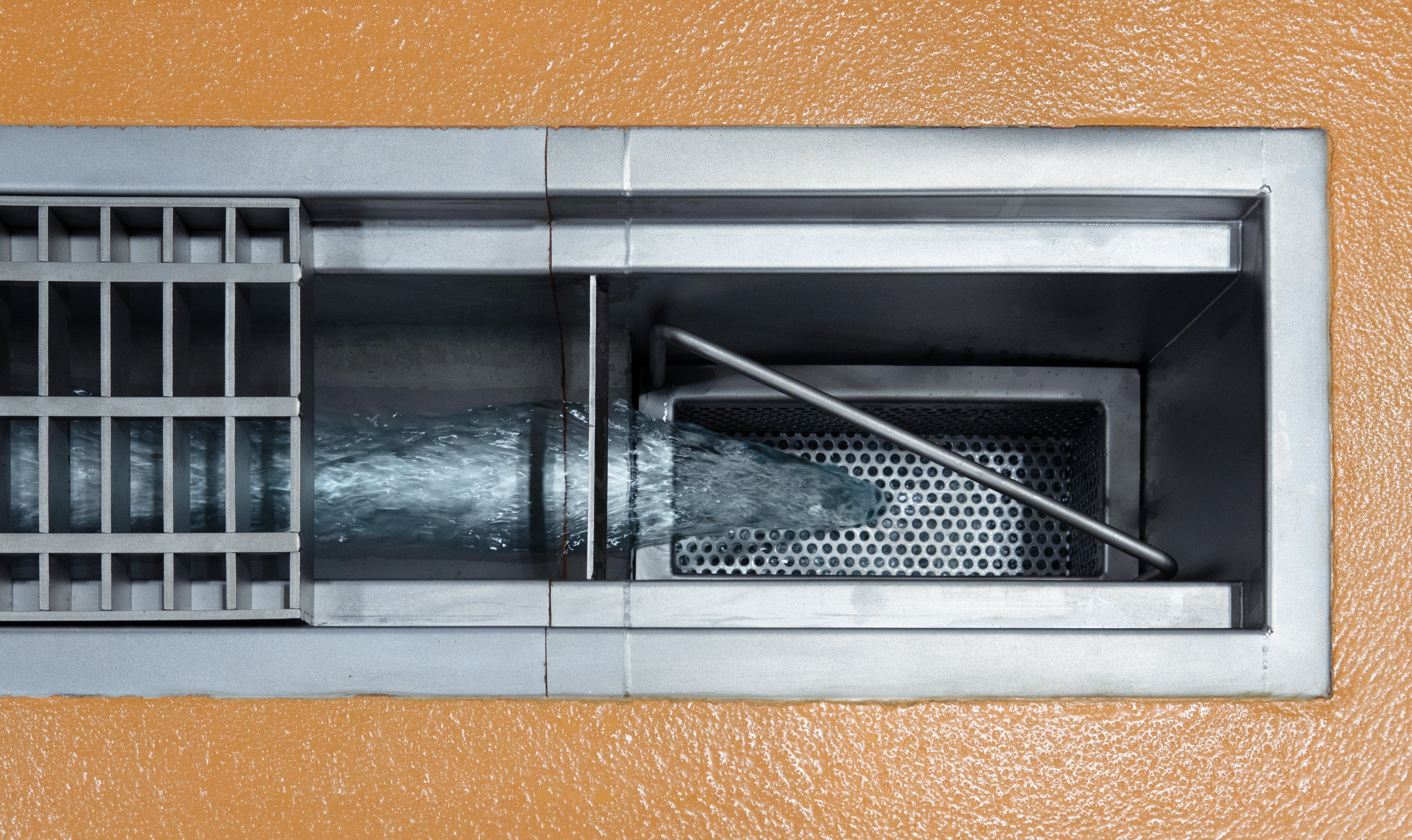
A channel drain, frequently referred to as a trench and channel drain or a channel trench drain, is a classic linear drainage system that relies on a wide, U-shaped, V-shaped or square trough set flush into the floor or pavement. The open mouth of the channel collects sheet flow over a broad area and directs it along a sloped trajectory toward a discharge outlet or public sewer.
Because the surface opening is wide, a removable[drainage system](https://blog.slotdrainsystems.com/different-types-of-drainage-systems) grate is mandatory. This channel drain grate keeps larger debris out of the trough and ensures that pedestrians and vehicles can cross over safely. A typical drain channel with a grate configuration is commonly manufactured from materials like polymer concrete, plastic (PVC/polymer), or cast iron, depending on the load requirements.
## **What Is A Slot Drain?**
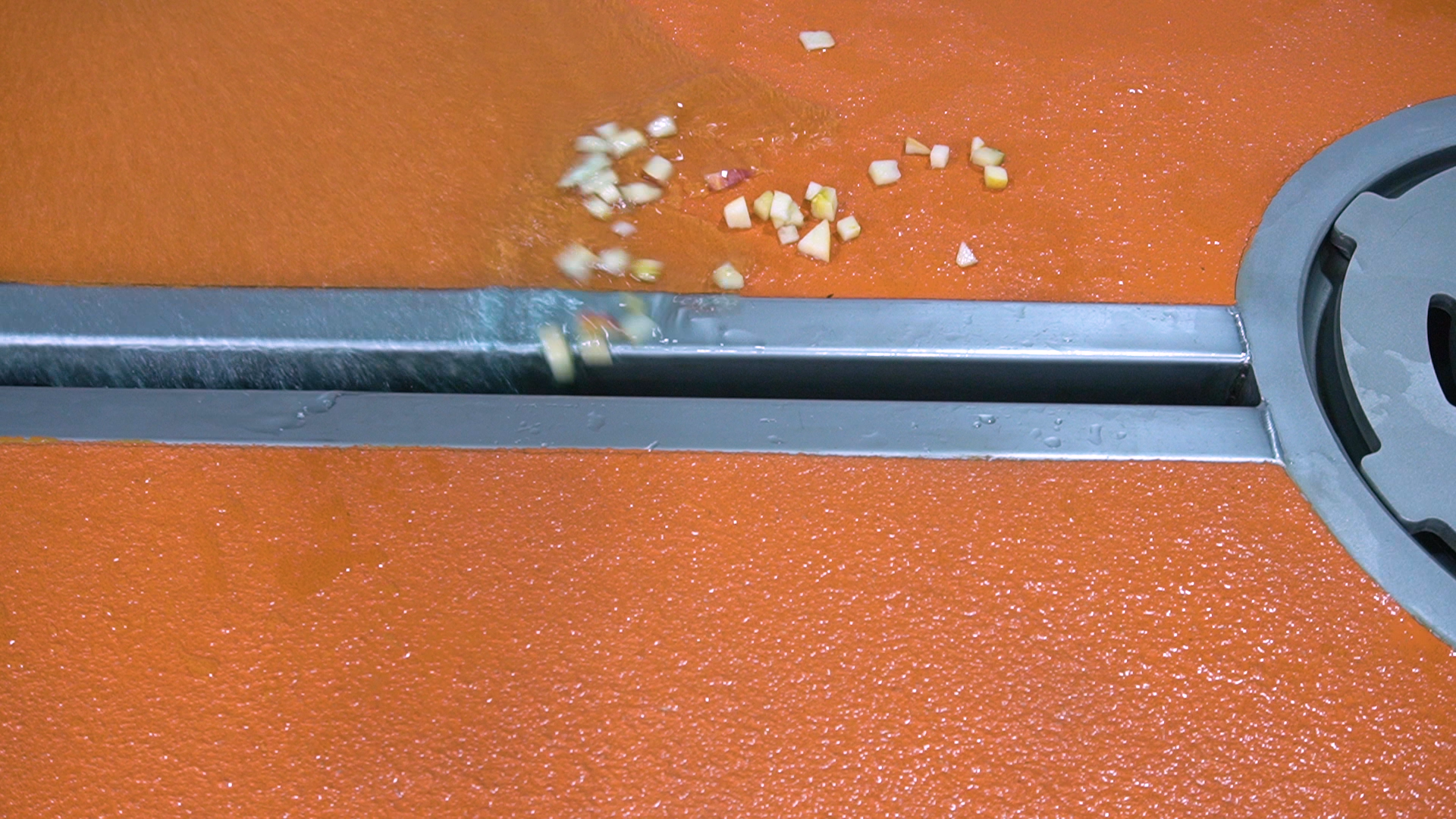
A slot drain is essentially an evolved version of a linear drain that eliminates the need for an external grate altogether. Instead of a wide open channel, aslot drain utilizes an exceptionally narrow surface opening (often between 0.5 inches and 1.25 inches) that sits flush with the pavement.
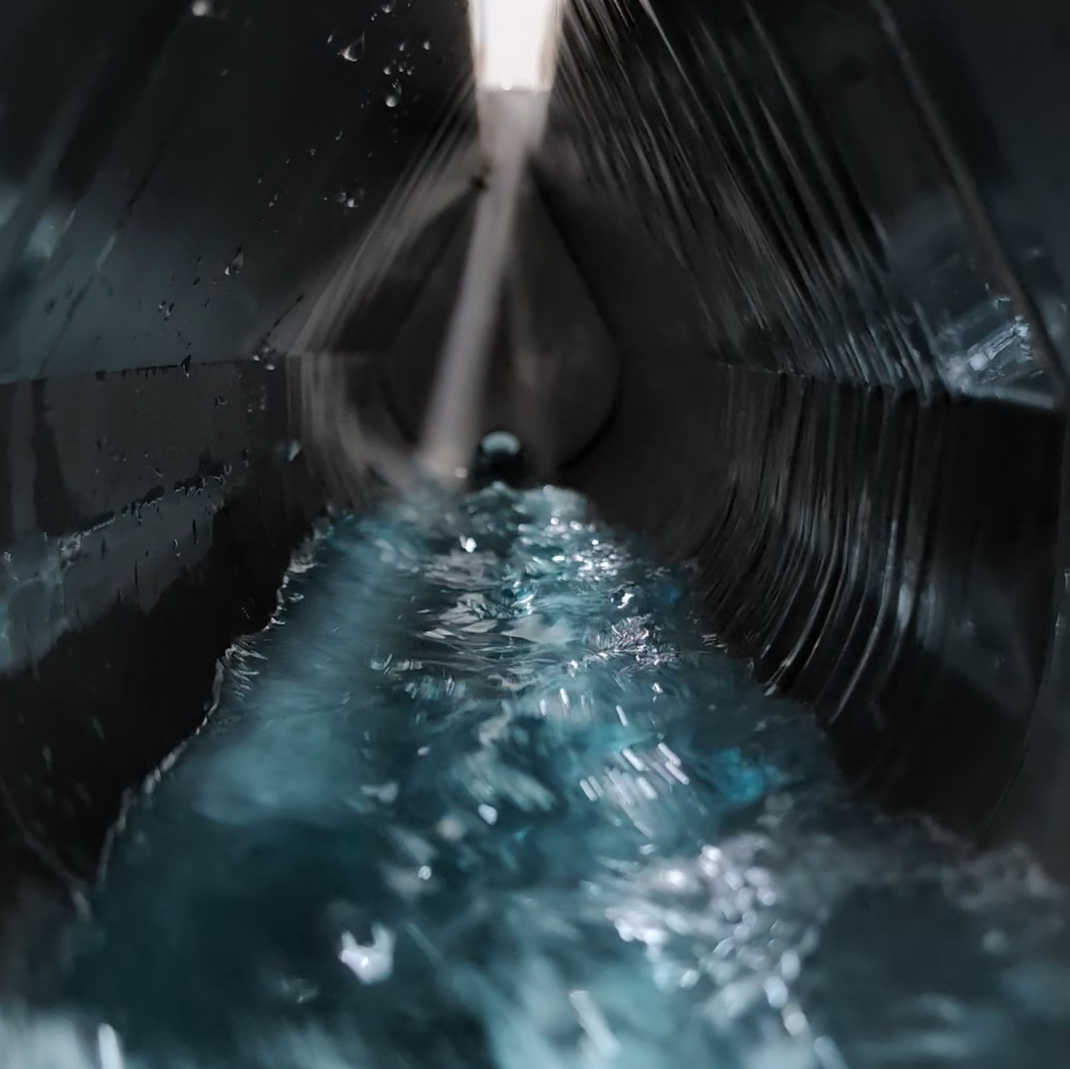
Beneath this slim aperture, the throat expands into a wider, specialized underground pipe or teardrop-shaped channel that handles high fluid volume. Because the opening is so slim, large solids cannot slip through, removing the requirement for traditional channel drain grates. A premium stainless steel slot drain is widely favored in industries prioritizing high sanitary standards, corrosion resistance, and low structural profiles.
## **Quick Comparison Table: Slot Drain Vs. Channel Drain**
| **Feature** | **Channel Drain** | **Slot Drain** |
| --- | --- | --- |
| **Surface Opening** | Wide, exposed trough mouth requiring coverage | Ultra-narrow, slim linear slot opening |
| **Grate / No Grate** | Requires a visible channel drain grate | Grate-free design (eliminates replacement needs) |
| **Appearance** | Industrial, highly visible, breaks aesthetic lines | Sleek, modern, virtually invisible on the surface |
| **Maintenance** | Requires manual grate removal and scrubbing | Easily maintained via flush valves or paddles |
| **Water Flow Capacity** | Excellent for immediate high-volume surge capture | High flow rates via sloped underground conduits |
| **Load Handling** | Dependent on the strength, prone to cracking over time | Surrounding concrete bears the weight - highly durable |
| **Installation** | Available in pre-sloped configurations | Pre-sloped and pre-assembled |
| **Best Use Cases** | High flow facilities like potato processing and industrial kettles. Commercial stormwater management | Ultra hygienic processing: ready-to-eat, wine making and pharma. Sleek architecture: pool decks, plazas and patios. |
| **Long-Term Upkeep** | Susceptible to grate wear, rust, and breaking. | Minimal cost - no grates to break down or corrode |
## **Slot Drain Vs. Channel Drain: Key Differences**
To fully understand which system suits your engineering or residential project, evaluating the distinct characteristics of a slot drain channel compared to a traditional drain channel is necessary:
### **Opening & Surface Design**
The structural divergence begins on the surface. A channel drain features a broad opening designed to swallow bulk water along with any incidental surface material. A slot drain system relies on a precise, slender slot that acts as its own physical barrier, letting water pass while naturally filtering out large items.
### **Appearance & Aesthetic Impact**
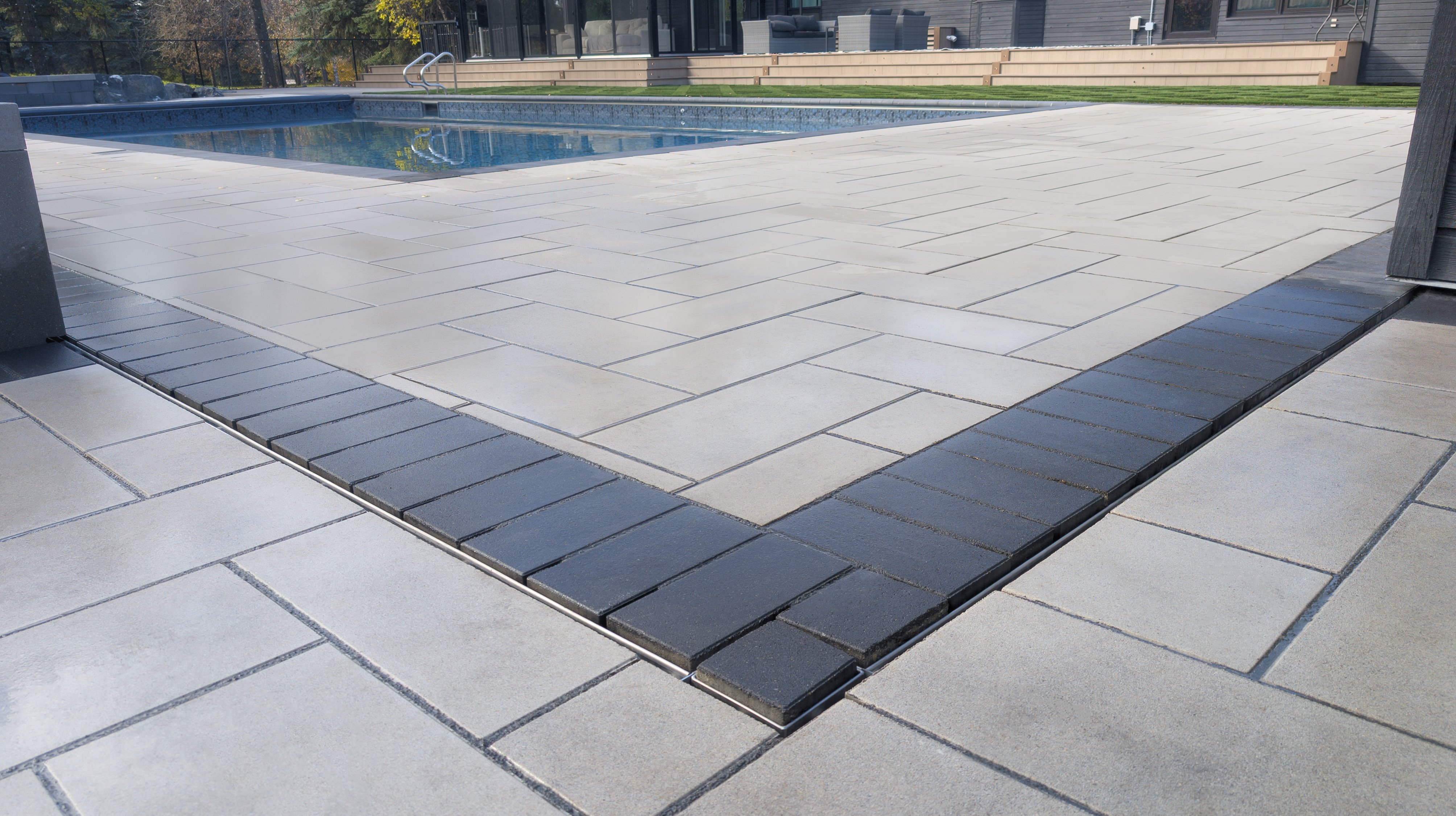
For modern architectural layouts, the visual profile of a drainage installation is highly prioritized. Traditional channel drain grates present an industrial aesthetic that can disrupt pristine stone pavers or seamless concrete floors. Conversely, a slot drain bought from us integrates directly into hardscape, making it an excellent[pool drainage channel](https://www.slotdrainsystems.com/application/pool-patio-drainage/) or patio choice where clean design lines are vital.
### **Water Capacity & Flow Management**
It is a common misconception that smaller openings equal poor flow. While channel drains capture immense flash floods quickly, a well-engineered slot drain provides flow rates ranging from 11 to 27 GPM per foot of drain. The subsurface pipe geometry ensures constant velocity and efficient fluid transport.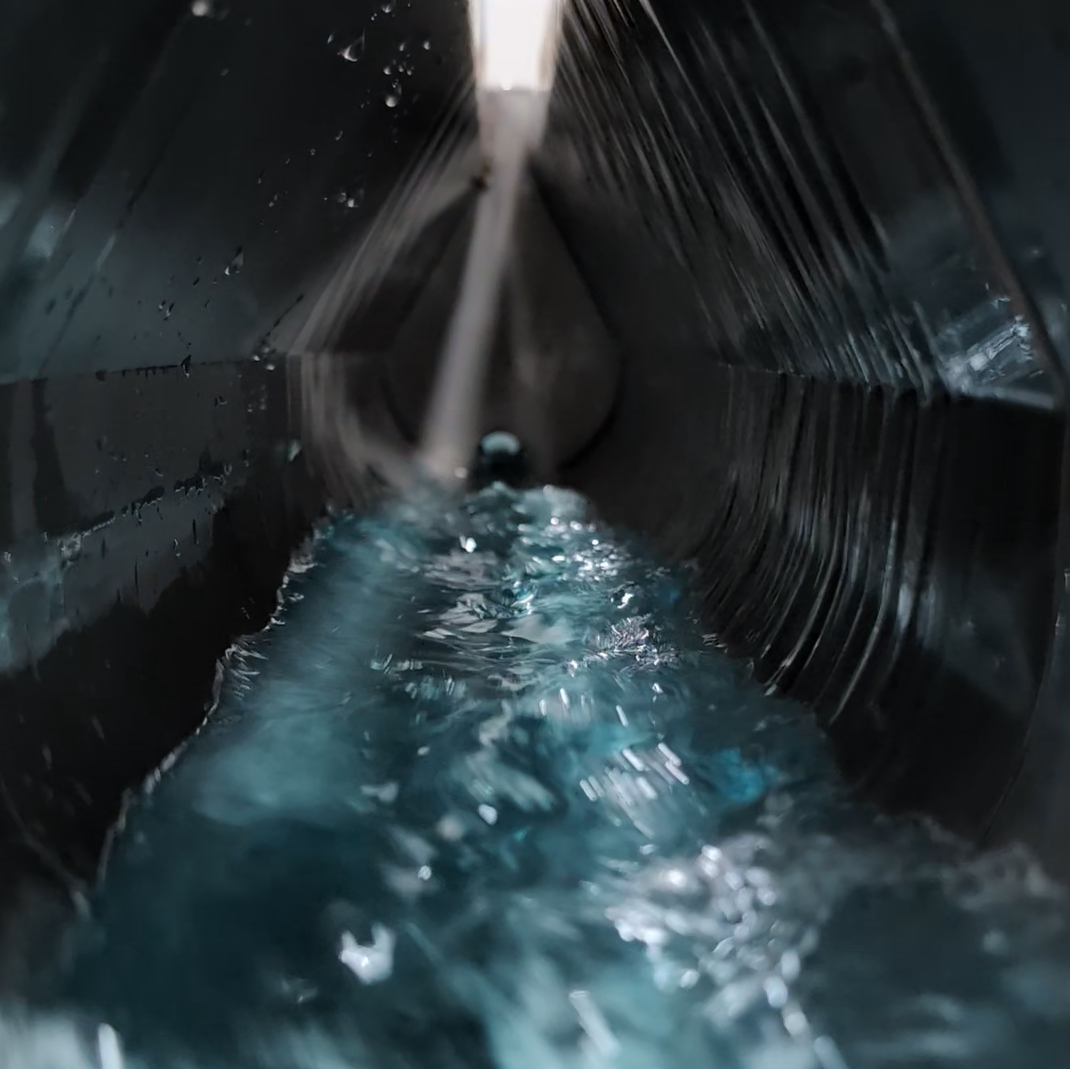
### **Cleaning & Maintenance**
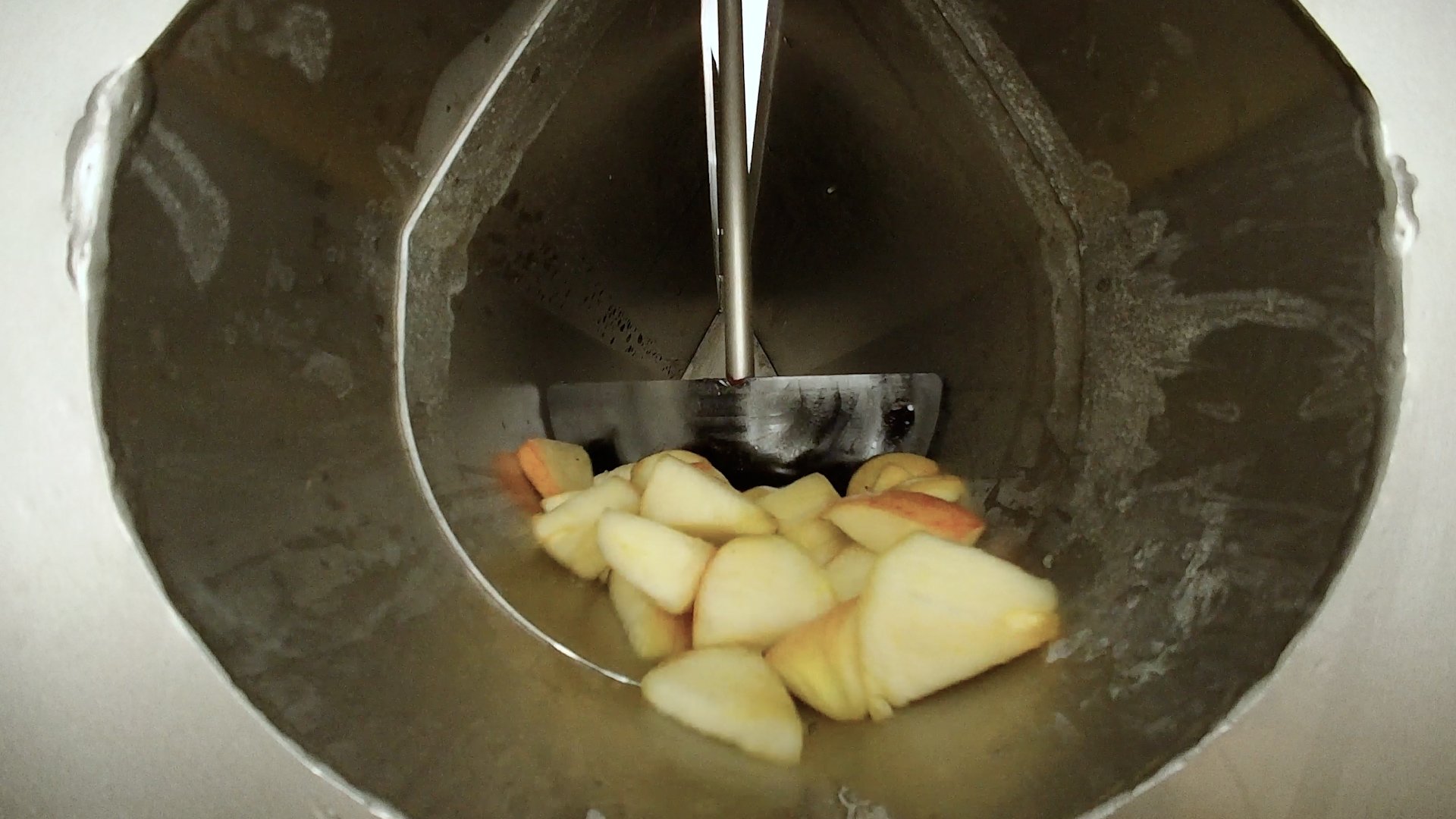
Maintaining a channel drain requires staff to lift heavy, cumbersome grates, scrub down the interior channel walls, clean the grates individually, and lock them back in place. A slot drain eliminates these labor costs entirely. Workers can clear out fine debris effortlessly using a simple flush system or a customized cleaning paddle, avoiding the risk of worker injury during grate removal.
### **Load Handling & Durability**
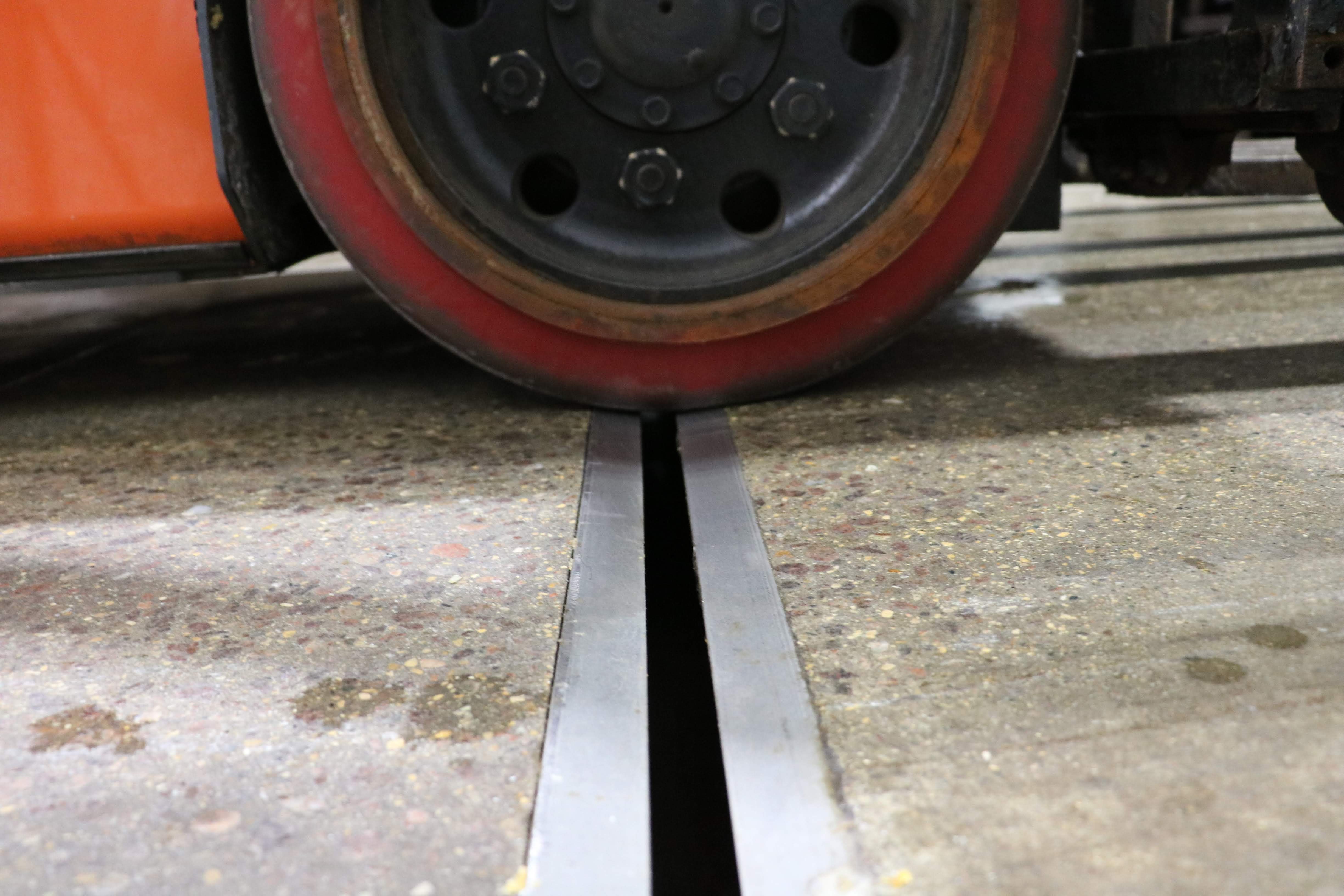
Both drains are available in heavy duty load rated configurations. With either it is important to ensure a proper installation that distributes the weight from the drain to the surrounding concrete. On a grated trench drain the grate needs to be able to support the weight of anything that will cross it. While the slot drain’s flush fitting zero clearance slot is naturally supported by the surrounding concrete.
### **Best Applications For Each System**
Your choice depends fundamentally on your operational environment. Heavy external civil works rely heavily on high-impact channels, whereas architectural, clean-room, and high-traffic pedestrian layouts benefit substantially from modern slot variations.
## **When A Channel Drain Is The Better Choice**
A channel drainage system remains the industry standard when dealing with substantial external land areas where heavy sediment, fallen leaves, or large debris are constantly present. For example, public highways, massive commercial parking structures, and agricultural settings face unpredictable open-air environments. In these scenarios, a wide trench and channel drain allows bulky items to pass safely into catch basins rather than blinding a narrow opening.
## **When A Slot Drain Is The Better Choice**
A slot drain system is superior for residential driveways, patios, urban plazas, and high-spec industrial environments. If you are selecting a channel drain for driveway applications, switching to a driveway channel drain with a slot configuration eliminates the annoying rattles, tire wear, and safety hazards associated with standard grates. It is also the premier selection when local regulations mandate strict ADA compliance, as the 0.5-inch slot opening cannot trap heels, crutches, or wheelchair wheels.
## **Are Slot Drains Better For Heavy Traffic And Sanitary Environments?**
Absolutely. In food and beverage processing facilities, commercial kitchens, and pharmaceutical labs, traditional channel grates are notorious for harboring dangerous bacteria, pathogens, and foul organic odors..
A stainless steel slot drain features curved, radius-edged interior bottoms that completely eliminate sharp corners where organic material can hide. Coupled with automated clean-in-place (CIP) flushing, it provides unmatched sanitary control. From a load perspective, the lack of an exposed grate eliminates the weak links prone to cracking under heavy industrial forklift traffic.
- **Did You Know?** Traditional grated systems can cost a facility upwards of $15,000 annually in manual labor and grate upkeep, whereas a self-flushing slot drain reduces routine maintenance costs down to a fraction of that amount.
## **Talk To Slot Drain Systems About The Right Drain For Your Project**
Selecting the optimal linear drainage system involves analyzing desired flow rates, weight requirements, and sanitary mandates. Do not leave your facility layout or residential driveway protection to guesswork. To buy a [slot drain](https://www.slotdrainsystems.com/), [contact the engineering experts at Slot Drain Systems](https://www.slotdrainsystems.com/contact-us/) today to review your project blueprints and acquire a tailor-made, high-durability drainage solution built to last a lifetime.
## **FAQ**
### **What is the difference between a channel drain & a slot drain?**
The primary difference lies in the surface footprint and grate reliance. A channel drain is a wide linear trough covered by an external removable grate, whereas a slot drain features an ultra-narrow surface opening that requires no grate cover, feeding directly into an expanded subsurface conduit.
### **Are slot drains better than channel drains?**
Slot drains are superior in terms of visual appeal, sanitary compliance, structural load durability, and reduced long-term maintenance costs. However, channel drains are better suited for open civil applications that experience substantial debris, such as large leaves and gravel.
### **Can slot drains handle heavy loads?**
Yes. Because slot drains do not utilize fragile grates, the heavy vehicular weight is safely transferred to the surrounding concrete slab. Reinforced steel slot options are fully certified to handle extreme industrial loads up to Class E and F.
### **Are slot drains easier to maintain?**
Yes, significantly. They eliminate the arduous chore of unbolting and lifting heavy grates. They can be flushed clean seamlessly with integrated water valves or swept out quickly using specialized physical paddles.
### **Which drain is best for driveways, commercial spaces, or industrial use?**
For residential driveways and architectural commercial plazas, a slot drain provides an elegant, hazard-free option. For heavy industrial, chemical, and food production plants, a stainless steel slot drain is highly recommended for sanitation. For massive outdoor commercial parking lots, slot drains are also an excellent choice.
- [Tweet](https://twitter.com/share)
[](https://blog.slotdrainsystems.com/hs/cta/wi/redirect?encryptedPayload=AVxigLKlsPOnWjDKke1Bppi%2BePHnnNFayWnhKbVrV3RDvPjgd9gS2nbHqOP3QwVCtt7z5dZ3TaQpaYxNLaCgMGdwgzfneXu8e6cYLMXcRyitPQtBIsJc%2FSg%2B%2BD%2B2%2FqGbfNKIGUJj2drwuqUK2ZjsHFQK7YojPwNMTJNfA7bfqQTKKSftfu1iUd50zq85s6bYmXgPrNU55qfw0vBDzGJqMs%2Bxurv4hVSVSbmK&webInteractiveContentId=140128665707&portalId=2119739)
- ##### [ drain selector](http://www.slotdrainsystems.com/compare/)
- ##### [ How to buy](http://www.slotdrainsystems.com/how-to-buy/)
- ##### [ TALK TO A SLOT DRAIN EXPERT](http://www.slotdrainsystems.com/contact-us/)
### [Compare slot drain](http://www.slotdrainsystems.com/compare/)
Slot Drain is specifically designed to suit numerous market applications. From tough jobs that rely on strength and durability to aesthetically appealing landscaping applications.
### [drainage designs](https://info.slotdrainsystems.com/specifications)
Drainage that's built to look good and stand strong. Slot Drain is available in stainless steel and galvanized steel. Slot Drain is customizable with elbows and transitions pits.
### [drainage accessories](http://www.slotdrainsystems.com/accessories)
Each Slot Drain® system includes a specially designed cleaning kit specific to its application. To clean the drain channel, cleaning kit options include an easy cleaning paddle, Flush FloTM System for frequent cleaning facilities.
### [start your project](http://www.slotdrainsystems.com/contact-us/)
Not sure where to start? Don't worry! That's why we have a dedicated team of drainage consultants to help find you drainage solutions. Schedule a call or informational session with a consultant today.
### [learning resources](https://blog.slotdrainsystems.com/)
Learn more about the most sophisticated drainage system available. Find out how Slot Drain has helped to provide drainage solutions for multiple applications.
### [our company](http://www.slotdrainsystems.com/our-company/)
Slot Drain® Systems solved the issue of expensive installations, future workers health and maintenance wear and tear. Slot Drain® Systems was the world’s first slotted trench drain solution that excluded traditional grates.
-
-
-
-
-
copyright @ 2026 slot drain systems ltd. slot drain is a registered trademark of slot drain systems ltd.

```json
{
"@context" : "https://schema.org",
"@type" : "BlogPosting",
"author" : {
"@type" : "Person",
"name" : "Slot Drain Systems",
"url" : "https://blog.slotdrainsystems.com/author/slot-drain-systems"
},
"dateModified" : "2026-07-20T21:04:32.911Z",
"datePublished" : "2026-07-20T21:04:32.000Z",
"headline" : "Slot Drain Vs. Channel Drain: What’s The Difference?",
"image" : [ "https://blog.slotdrainsystems.com/hubfs/teapot%20effect-1.png" ],
"mainEntityOfPage" : {
"@id" : "https://blog.slotdrainsystems.com/slot-drain-vs.-channel-drain-whats-the-difference",
"@type" : "WebPage"
},
"publisher" : {
"@type" : "Organization",
"logo" : {
"@type" : "ImageObject",
"url" : "https://blog.slotdrainsystems.com/hubfs/Logo-GDT.jpg"
},
"name" : "Global Drain Technologies"
}
}
```