
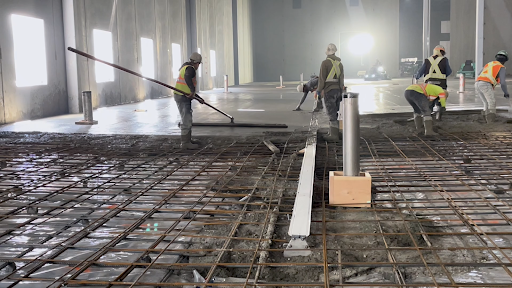
Drainage systems are vehicles for the movement of liquids. Like any other vehicle, they need to suit their application. You could own the best sports car in the world, but it is not suited to driving your family to the airport; for that task, an SUV or minivan is better. Drains are similar; you need the right drain for the right situation.
This means taking into consideration environmental conditions, including heavy loads and corrosive chemicals. In industrial/hygienic processing situations, plastic drains will not perform as well as stainless steel. Flow rates are also an important factor. It’s important to buy a drain that can accommodate the maximum flow rate you will encounter. However, you don’t want to buy the biggest drain possible if you don’t need it, as this can lead to cost overruns.
This guide will help you match the right drain to your application and enjoy a good ROI on your investment.
Understanding Commercial Drainage Types
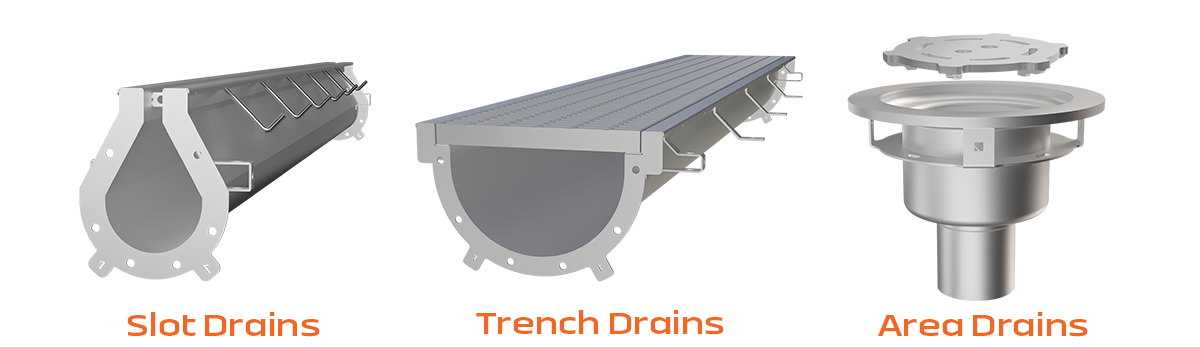
When establishing a surface water management plan, you must first identify the type of system your facility requires. Commercial drainage generally falls into a few distinct categories:
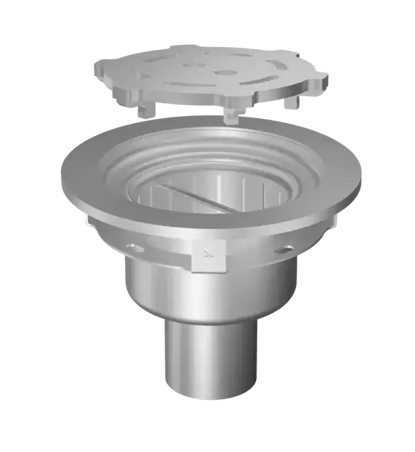
- Point Drains: Used to collect water from a single localized point. They require sloped floors from all directions, which can complicate facility installation.
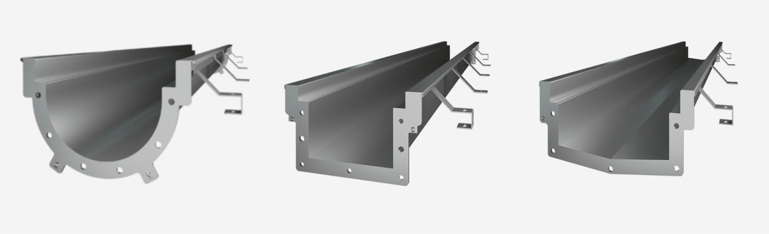
- Trench Drains: Traditional linear channels covered by a removable grate. They handle large volumes of water but require frequent grate maintenance.
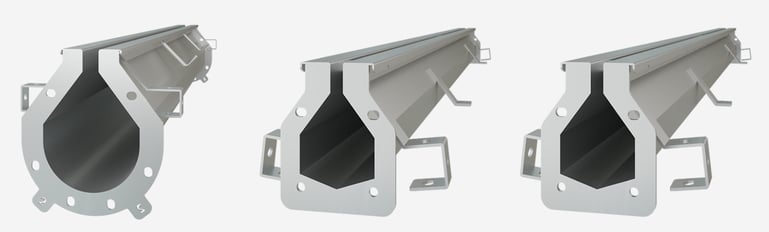
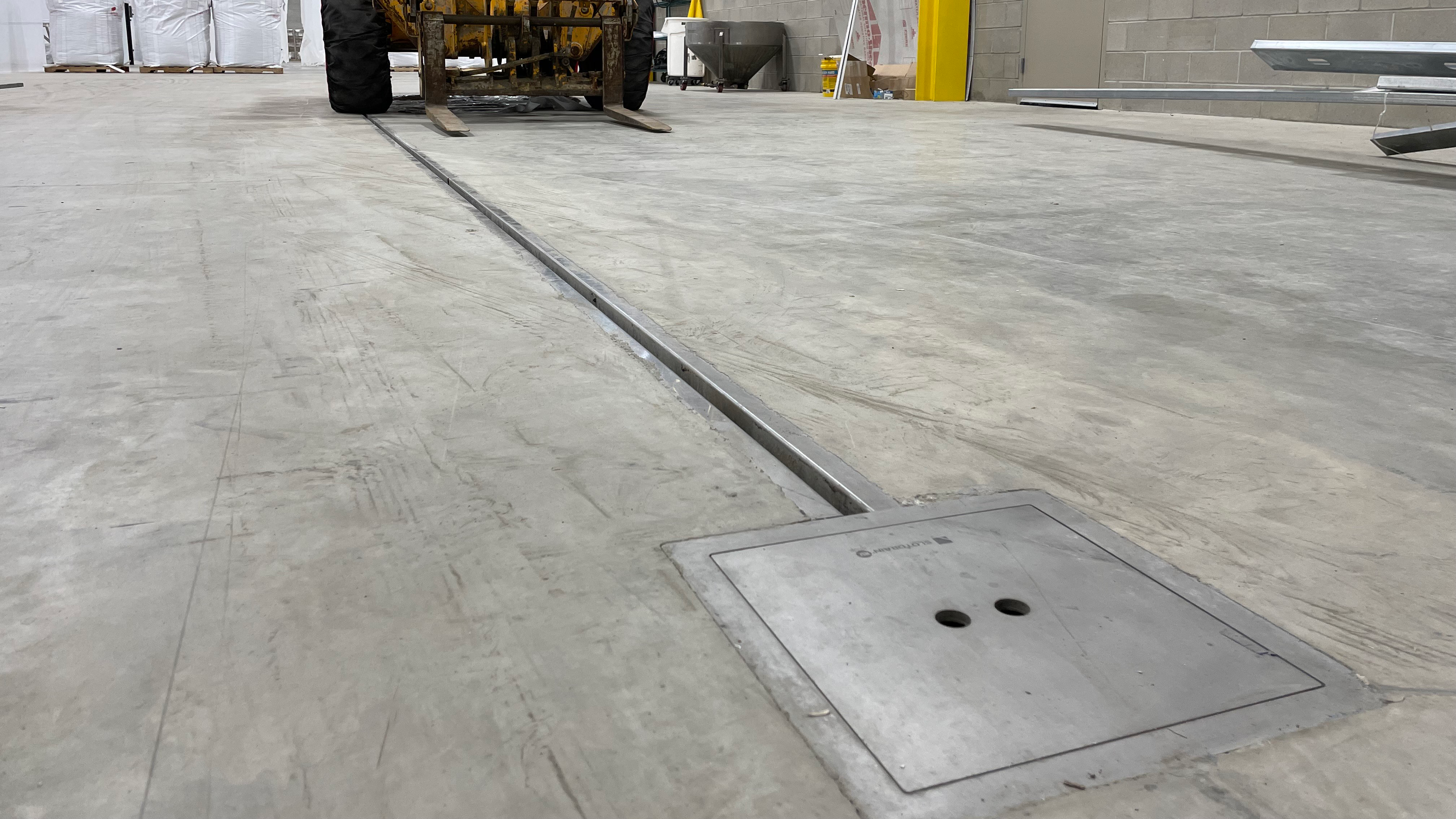
- Slot Drains: An advanced linear drainage system featuring a slim, open slot at the surface. They eliminate the need for heavy, hazardous grates while maintaining high flow capacities.
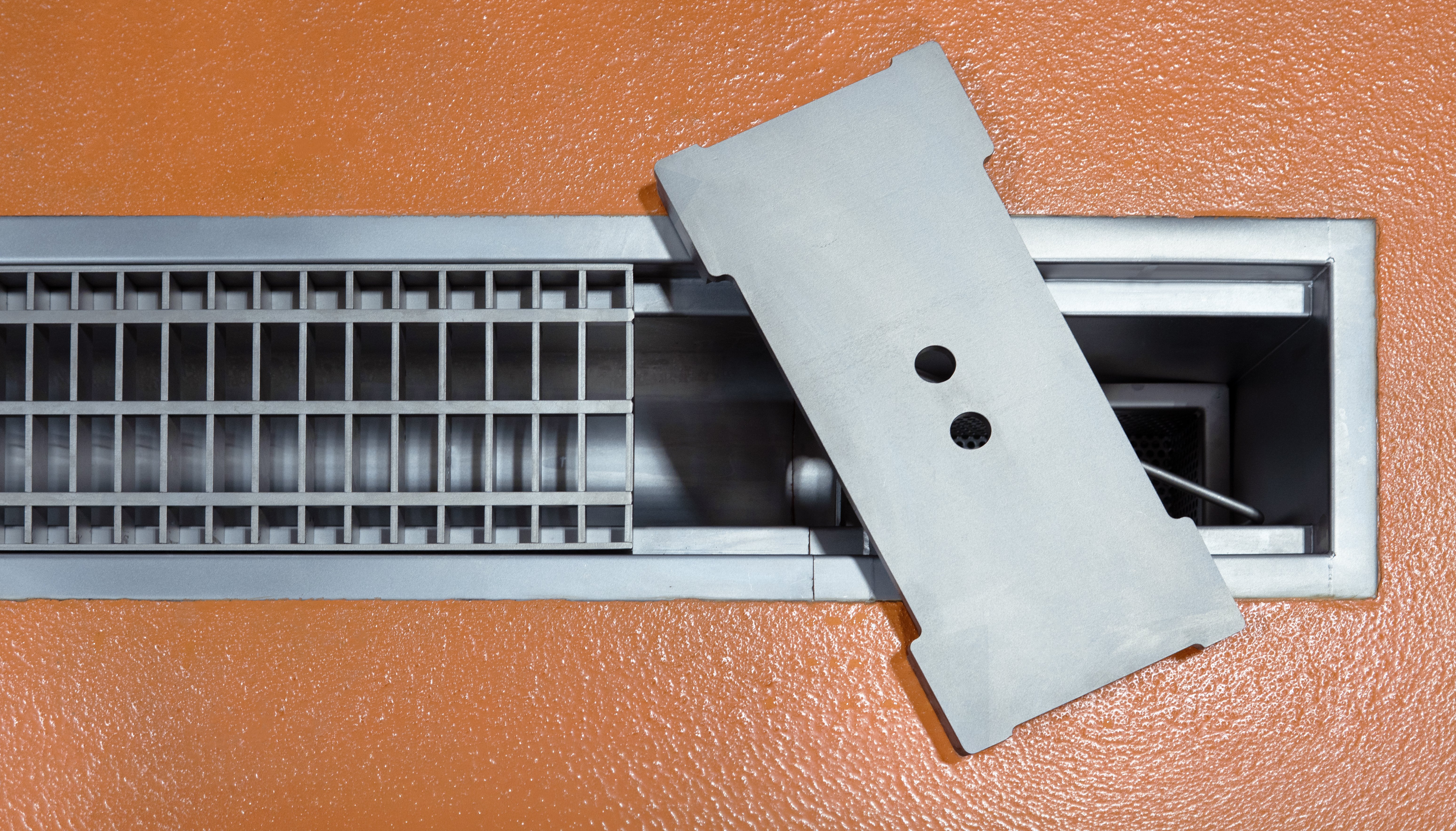
When evaluating which type of drain to choose, consider aesthetics, safety, and hygiene. Trench drains handle massive, sudden surges well but require heavy grates that flip, rust, or break. Slot drains offer a seamless, flush-to-floor profile that minimizes tripping hazards and allows for easy cleaning.
Selecting The Right Drainage Material
Evaluating trench drain materials involves balancing budget against environmental demands. The three most common materials include:
|
Material |
Best For |
Pros |
Cons |
|---|---|---|---|
|
HDPE/Plastic |
Light-duty residential applications |
Lightweight, inexpensive, corrosion-resistant |
Can warp under extreme heat or heavy loads |
|
Polymer Concrete |
Heavy-duty industrial applications |
Excellent structural strength, durable |
Heavy to install, susceptible to certain chemical breakdowns |
|
Stainless Steel |
Hygienic, luxury residential, civic applications |
Ultimate sanitary profile, chemical-resistant |
Higher upfront material costs but better ROI |
When comparing polymer concrete vs. stainless steel, stainless steel is the undisputed champion for cleanrooms and food production. It is non-porous, meaning bacteria cannot find a home to multiply, making it foundational for proper sanitary drainage design.
Decoding Load Classes (DIN EN 1433 Standards)
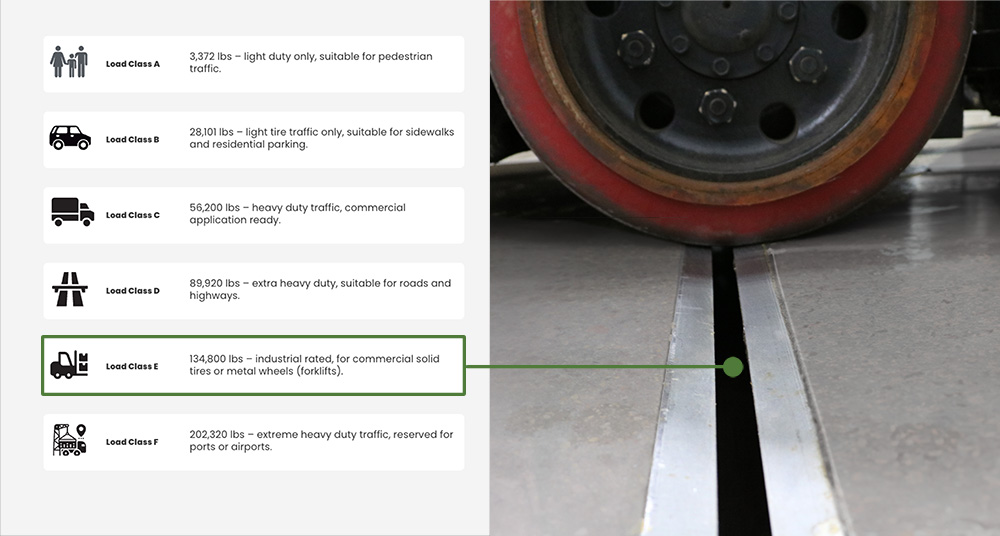
Installing a system with inadequate DIN EN 1433 load ratings is a costly and dangerous mistake. The DIN EN 1433 standard classifies systems based on the weight they can safely support:
- Class A (Up to 3,372 lbs): Designed exclusively for foot traffic, pedestrian walkways, patios, and residential green spaces where no vehicular access occurs.
- Class B (Up to 28,101 lbs): Built for light-duty vehicular traffic, including private residential driveways, residential parking lots, and sidewalk curbs accessible to passenger cars and light vans.
- Class C (Up to 56,200 lbs): Designed for pedestrian traffic, residential driveways, and light commercial parking.
- Class D (Up to 89,920 lbs): Suitable for main roads, highways and commercial delivery docks
- Class E (Up to 134,800 lbs): Built for heavy-duty traffic such as forklifts operating in industrial warehouses and loading bays.
- Class F (Up to 202,320 lbs): Specialized drainage channel load class F systems meant for airports, docks, and extreme industrial environments.
Always spec a load class higher than your expected daily average to account for sudden, heavy impacts from industrial vehicles.
Critical Selection Criteria For Your Facility
To learn how to select trench drains that stand the test of time, look beyond the price tag and assess these specific operational variables:

A. Sanitation and Regulatory Compliance
Facilities governed by the FDA, USDA, or CFIA have strict food processing drainage criteria. Drains must be easily accessible, perfectly cleanable, and resistant to extreme temperature fluctuations (thermal shock). Ensure your selection includes ADA-compliant floor drains to maintain safe, accessible pathways for workers.
B. Maintenance and Longevity
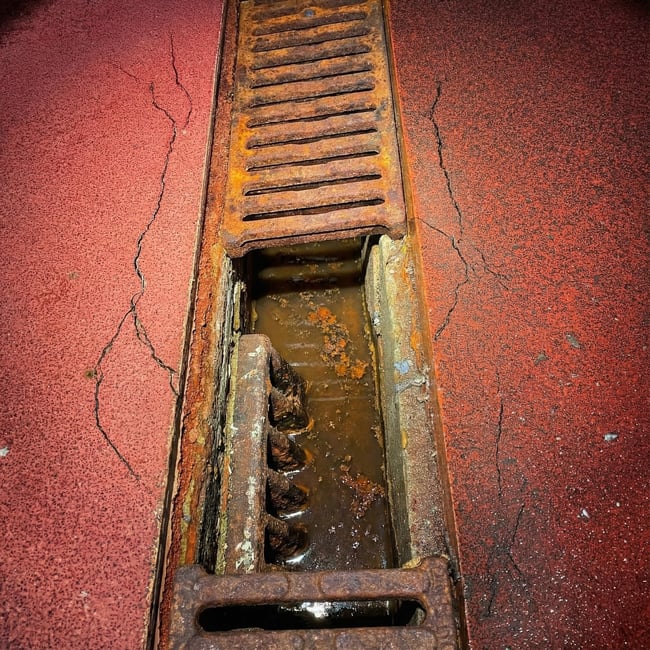
Traditional grates catch debris, hair, and waste, resulting in foul odors and frequent clogging. Specifying low-maintenance commercial drains drastically reduces labor costs. Linear slot profiles can simply be flushed with a paddle and hose rather than lifting hundreds of pounds of metal grates.
C. Installation Complexity
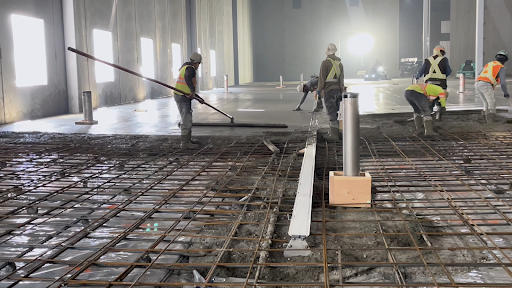
Proper facility drainage installation requires pre-sloped channels to ensure positive flow toward the outlet. Look for systems that feature bolt-together configurations or specialized installation chairs to cut down on expensive contractor hours during the concrete pour.
Why Choose Slot Drain Systems For Your Next Project?
Traditional grated systems introduce a long list of headaches, from broken grates to bacterial harbors. A slot drain from Slot Drain Systems elegantly solves these issues by blending seamless aesthetics with rugged performance.
Constructed from T304/316 stainless steel, these systems handle extreme load capacities up to Class F while remaining completely flush with your flooring. By transitioning away from standard grates, you eliminate high-wear components and enjoy a safer, cleaner, and more efficient workplace.
Ready To Spec The Perfect Drainage System?
Every facility has unique demands. Finding the right drainage system requires a precise balance of hydraulic capacity, chemical resistance, and load-bearing strength.
Contact our engineering team today to receive a customized hydraulic layout, architectural specs, and a tailored quote for your next build.
FAQ
How do I calculate the flow rate needed for my facility?
To determine your required drainage system flow rate, you must calculate both the surface area of the room/yard and the maximum potential water volume. This includes peak rainfall data for outdoor spaces or the maximum GPM (gallons per minute) from your facility's washdown equipment and processing machinery.
What is the difference between 304 & 316 stainless steel for drains?
Both are exceptional for industrial floor drains, but 316 stainless steel contains molybdenum. This added element gives 316 significantly higher resistance to chlorides, acids, and harsh chemical cleaners than 304 stainless steel, making it ideal for marine settings or chemical processing plants.
Can slot drains handle heavy industrial forklift traffic?
Yes. High-quality slot drains are manufactured using heavy-duty stainless steel and reinforced edges. When encased in concrete, they can achieve Class E and Class F load ratings, allowing them to withstand heavy forklift and semi-truck traffic without bending or cracking.
How often should commercial trench drains be cleaned?
In standard commercial or outdoor settings, a monthly inspection is usually sufficient. However, in food processing or pharmaceutical environments that require strict sanitation, drains should be flushed and sanitized daily as part of the facility’s standard closing and washdown procedures.


